
-
Special Warfare insignia "SEAL Trident"
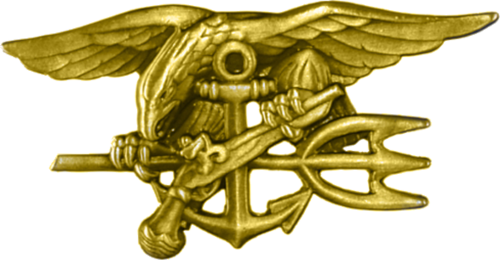
US Navy
The Special Warfare insignia consists of an eagle clutching an USN anchor, trident, and flintlock-style pistol.in 1982 unlisted , received a gold trident with the anchor on the outside, then in 1994 all seals received the same trident officers and enlisted.
To Bronze Squadron
The insigna is awarded to those Enlisted members of the unit who have made their way through the Green Team selection. Members who are given the SW Insignia have found a home in a troop and have become experts in their specialty and craft.
-
CCT Scarlet Beret
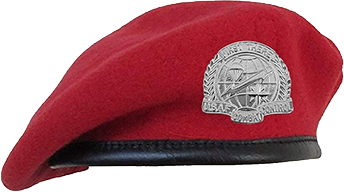
USAF 24th STS
The scarlet beret is a prestigious symbol of achievement worn by United States Air Force Combat Control Teams (CCT) and Special Tactics Officers, signifying expertise in air traffic control, fire support, and command/control in combat zones. It represents highly trained "elite" airmen, with training often exceeding two years.
To Bronze Squadron
Those awarded the Scarlet Beret are held to high confidence in all things Air Control. The CCT is expected to communicate with all air traffic in precision and confidence. Being able to both rain hell from above while also preserving the lives of his fellow unit members via med evac, the CCT in Bronze Squadron has displayed exceptional ability both on the ground and in controlling the air.
-
TACP Black Beret
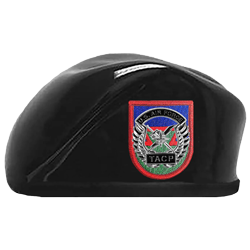
TACP personnel in the U.S. Air Force wear a black beret, symbolizing their role in Air Force Special Warfare. Authorized in 1979, the beret features a unique flash and crest approved in 1985, worn by qualified TACP specialists and officers (AFSC 1Z3X1). It signifies specialized training in close air support and field operations.
-
Special Reconnaissance Gray Beret
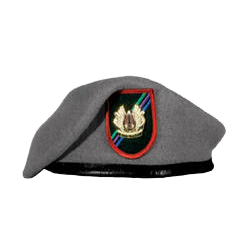
US Air Force Special Reconnaissance (SR) airmen wear a pewter grey beret, representing a specialized, elite force within Air Force Special Warfare. Formerly known as Special Operations Weather Teams (SOWTs), these operators focus on multi-domain reconnaissance, environmental intelligence gathering, and target acquisition in hostile or denied areas.
-
Pararescue Maroon Beret
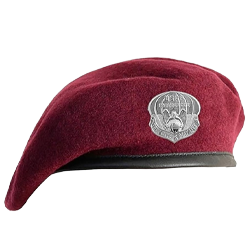
Maroon berets are worn by United States Air Force Pararescue personnel and United States Air Force Combat Rescue Officers. Pararescuemen (PJs) are among the most highly trained emergency trauma specialists in the U.S. military and the only ones in the Department of Defense specifically trained and equipped to conduct conventional and unconventional rescue processes, making them the ideal force to handle personnel recovery and combat search and rescue operations. In early 1966, General John P. McConnell, then Air Force Chief of Staff, approved the wearing of the maroon beret.
-
Army Aviator Wings (Basic)
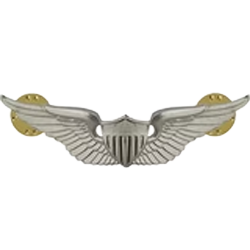
US Army Use
Three-tier aviation qualification badge. Basic upon completion of flight school; Senior at 7+ years / 1,000+ hours; Master at 15+ years / 2,000+ hours
Bronze Squadron Use
Basic: Completion of initial 160th SOAR flight qualification.
-
Army Aviator Wings (Senior)
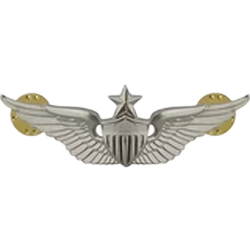
US Military Use
Three-tier aviation qualification badge. Basic upon completion of flight school; Senior at 7+ years / 1,000+ hours; Master at 15+ years / 2,000+ hours.
Bronze Squadron Use
Senior: Extended flight operations + leadership role.
-
Army Aviator Wings (Master)
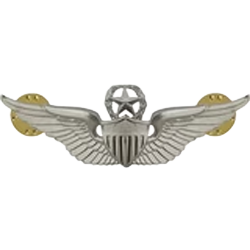
Military Use
Three-tier aviation qualification badge. Basic upon completion of flight school; Senior at 7+ years / 1,000+ hours; Master at 15+ years / 2,000+ hours.
Bronze Squadron Use
Master: Senior aviator with sustained excellence.
-
Parachutist Badge (Basic)
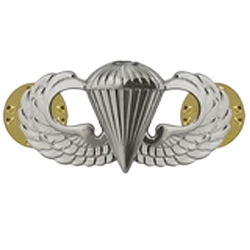
US Military Use
Three-tier qualification. Basic: 5 jumps. Senior: 30 jumps + 24 months. Master: 65 jumps + 36 months + jumpmaster qualified.
Bronze Squadron Use
Basic: Complete parachute qualification training.
-
Parachutist Badge (Senior)
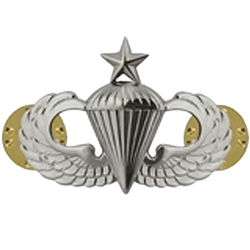
US Military Use
Three-tier qualification. Basic: 5 jumps. Senior: 30 jumps + 24 months. Master: 65 jumps + 36 months + jumpmaster qualified.
Bronze Squadron Use
Senior: Sustained jump operations + time in service